

Online marketing has become a practical necessity for local businesses that want to compete, grow, and maintain steady visibility in their communities. Customers now search, compare, and evaluate businesses online before making even simple purchasing decisions. For small business owners, the challenge is not whether to market online, but how to use the right tools and tactics efficiently, without oversized budgets or dedicated marketing departments.
TLDR
Local business marketing online works best when small businesses focus on visibility, trust, and consistency rather than chasing every new platform. Tools such as Google Business Profile, local SEO software, email marketing platforms, and social media schedulers offer strong returns when used strategically. Success comes from combining accurate local listings, helpful content, and customer engagement into a long term system. Even modest businesses can compete effectively with structured, data driven tactics.
The Foundations of Local Online Marketing
At its core, local online marketing is about being visible at the exact moment a customer is searching for a nearby solution. Unlike national brands, small businesses rely heavily on geographic relevance and personal trust. This makes accuracy, consistency, and responsiveness essential.
Before investing in advanced tactics, every local business should establish a strong digital foundation:
- Consistent business information across all platforms
- Clear positioning that explains who you serve and how you help
- Reliable customer touchpoints such as reviews and social proof
Without these basics in place, even the best tools will underperform.
[h3? better h2 next]
Google Business Profile: The Most Important Free Tool
For most local businesses, Google Business Profile is the most powerful marketing tool available. It determines how your business appears in local search results, map listings, and mobile searches. An optimized profile can generate calls, website visits, and foot traffic without any advertising spend.
Key best practices include:
- Using your exact business name and correct categories
- Adding high quality photos of your location, team, and services
- Keeping hours, phone numbers, and addresses current
- Regularly posting updates, offers, or announcements
Businesses that actively manage their profile tend to rank higher and earn stronger customer trust.
Image not found in postmetaLocal SEO Tools That Deliver Measurable Results
Local search engine optimization focuses on helping your business appear when people search phrases like “near me” or include city and neighborhood names. While SEO can seem complex, several tools make it manageable even for small teams.
Popular and effective local SEO tools include:
- Google Search Console for monitoring website performance
- Ahrefs or SEMrush for keyword research and competitor insights
- BrightLocal or Moz Local for managing citations and reviews
These tools help identify where your business is visible, where it is missing, and what actions will provide the most impact. Over time, consistent optimization builds authority and reduces reliance on paid advertising.
Website Optimization for Local Conversion
Driving traffic is only half the equation. A local business website must also convert visitors into calls, bookings, or visits. This requires clarity, speed, and localized content.
Effective local websites share common traits:
- Fast loading times on desktop and mobile devices
- Clear calls to action such as “Call Now” or “Book an Appointment”
- Location specific pages that mention service areas naturally
- Trust signals including testimonials and certifications
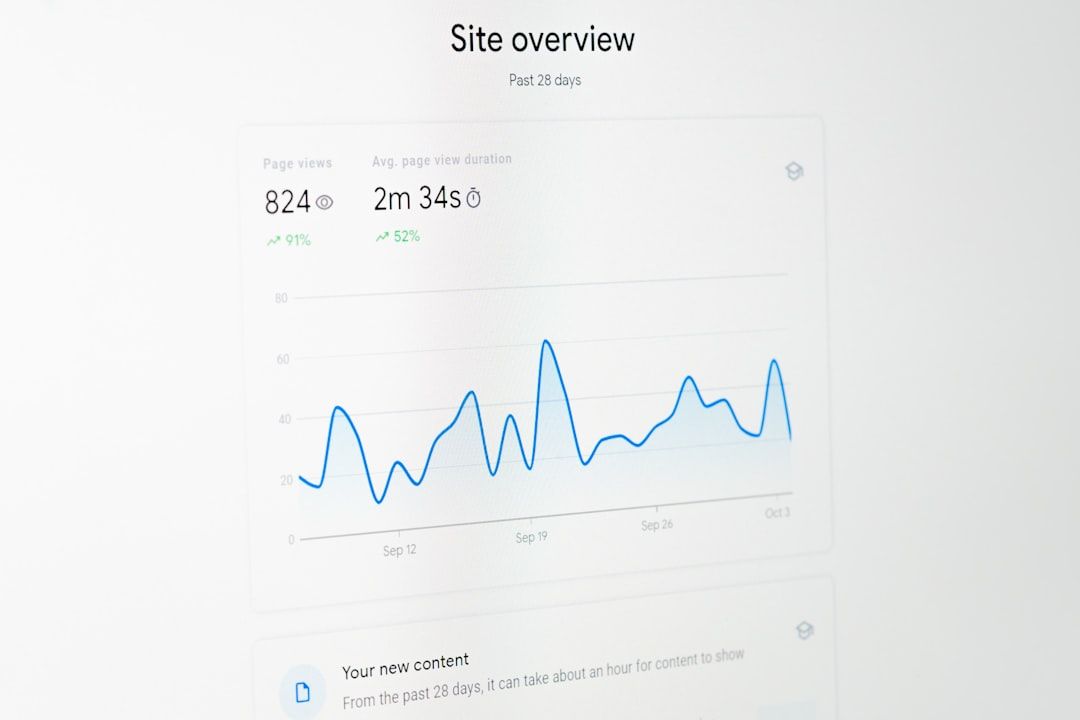
Tools like Google Analytics, Hotjar, and PageSpeed Insights can reveal how visitors interact with your site and where improvements are needed.
Social Media as a Community Building Tool
Social media is most effective for local businesses when it is treated as a communication channel rather than just a promotional outlet. Customers respond to authenticity, responsiveness, and relevance.
Instead of posting daily on every platform, businesses should focus on one or two networks where their audience is most active, such as Facebook, Instagram, or LinkedIn. Tools like Hootsuite, Buffer, or Meta Business Suite help schedule posts and maintain consistency.
Content that performs well for local businesses includes:
- Behind the scenes photos and short videos
- Customer success stories and testimonials
- Local events, partnerships, or community involvement
- Helpful tips related to your service or industry
This approach builds familiarity and loyalty over time, which is especially valuable in competitive local markets.
Email Marketing for Predictable Growth
Email marketing remains one of the highest return online marketing channels for small businesses. It allows direct communication with current and past customers, without relying on changing algorithms or paid reach.
Modern email tools such as Mailchimp, ActiveCampaign, and ConvertKit make it easy to segment audiences, automate follow ups, and track performance.
Effective local email campaigns often include:
- Appointment reminders and follow up messages
- Exclusive offers for repeat customers
- Seasonal promotions tailored to local needs
- Updates about new services or changes in hours
Even a single well written monthly email can significantly improve customer retention and lifetime value.
Online Reviews and Reputation Management
Reviews are one of the strongest influencing factors in local buying decisions. A steady stream of recent, authentic reviews signals reliability and quality to potential customers.
Reputation management tools like Podium, Birdeye, and ReviewTrackers help businesses monitor feedback and respond consistently. However, the most important factor is having a simple, ethical process for asking satisfied customers to share their experience.
Professional and calm responses to both positive and negative reviews demonstrate accountability and build confidence with future customers.

Paid Advertising with Local Precision
When used carefully, paid online advertising can accelerate growth. Google Ads and social media ads allow precise geographic targeting so that budgets are not wasted on irrelevant audiences.
For small businesses, the most effective paid strategies include:
- Search ads targeting high intent local keywords
- Retargeting ads for previous website visitors
- Short term promotions tied to seasonal demand
Clear goals, tight targeting, and regular performance reviews are essential to avoid overspending and maintain profitability.
Building a Sustainable Local Marketing System
The most successful small businesses view online marketing as a system rather than a collection of disconnected tactics. Tools provide the data, but strategy provides direction.
A sustainable approach includes:
- Clear priorities based on business objectives
- Regular measurement and gradual optimization
- Consistency in messaging and customer experience
By focusing on fundamentals, selecting the right tools, and committing to ongoing improvement, local businesses can achieve steady, long term growth online without sacrificing trust or financial stability.
