

Across history, certain words emerge that seem to carry more meaning than their simple definitions suggest. Turaska is one such term: a name that appears in folklore, regional narratives, and modern reinterpretations, yet resists a single, fixed explanation. Its layered meanings have made it both intriguing and adaptable, allowing different communities to project their values, fears, and aspirations onto it.
TLDR: Turaska is a culturally layered concept with debated historical origins and evolving meanings. Initially rooted in regional folklore and symbolic storytelling, it gradually expanded into modern cultural, artistic, and identity-based interpretations. Today, Turaska functions less as a fixed definition and more as a flexible symbol shaped by context. Its relevance lies in how it bridges history, myth, and contemporary expression.
Understanding Turaska as a Concept
Rather than being confined to a single discipline or tradition, Turaska functions as a symbolic term whose meaning changes depending on time and place. In some interpretations, it is described as a mythic figure or archetype; in others, it is treated as a regional name associated with endurance and continuity. What unites these versions is the sense that Turaska represents something transitional: a marker between old and new, known and unknown.
This ambiguity is not a weakness. On the contrary, it is what has allowed Turaska to persist. Cultural symbols that remain flexible are often the ones that survive historical change, because they can be reinterpreted without losing their essence.
Historical Origins of Turaska
The earliest references to Turaska are believed to come from oral traditions rather than written records. Scholars suggest that the term likely emerged in localized communities where storytelling played a central role in preserving history. In these contexts, Turaska may have referred to a legendary ancestor, a guardian figure, or even a descriptive term for land or territory.
As with many oral traditions, exact dates and details are difficult to verify. However, recurring themes appear across versions:
- Association with resilience and survival
- Links to natural landscapes such as forests or borderlands
- A role as a mediator between opposing forces
These elements suggest that Turaska was never merely a name, but a narrative device used to explain hardship, change, and continuity.
Turaska in Myth and Folklore
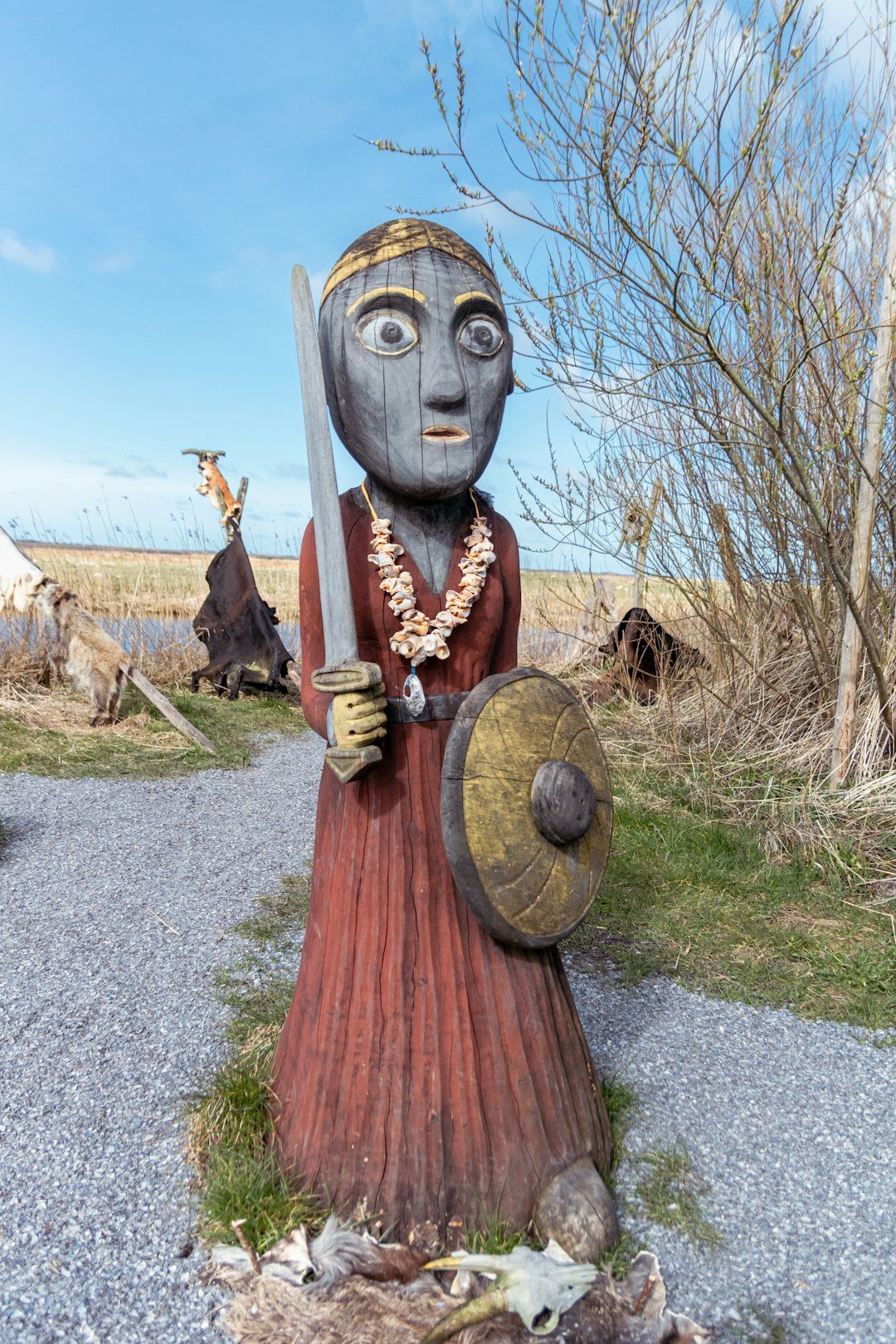
In folklore, Turaska often appears indirectly rather than as a fully described character. Stories may reference “the way of Turaska” or “the mark of Turaska,” implying a guiding principle instead of a physical being. This approach allowed storytellers to adapt the idea to different moral lessons or communal needs.
Common folkloric roles attributed to Turaska include:
- A protector during times of migration or conflict
- A symbol of balance between human activity and nature
- A reminder of ancestral responsibility
Because folklore often mirrors social structures, these roles hint at the challenges faced by early communities, including displacement, environmental uncertainty, and the need for shared identity.
Transition into Written History
As literacy spread and record-keeping became more common, mentions of Turaska began to appear in fragmented written sources. These references are often inconsistent, sometimes presenting Turaska as a personal name, sometimes as a place, and occasionally as a philosophical idea.
This transition marked an important shift. Once written, Turaska became more visible beyond its original communities, but also more prone to reinterpretation. Writers unfamiliar with its cultural roots often reshaped it to fit their own narratives, introducing new layers of meaning while obscuring older ones.

Modern Significance of Turaska
In the modern era, Turaska has found renewed relevance. Rather than fading into obscurity, it has been rediscovered by artists, cultural historians, and communities seeking to reconnect with intangible heritage. Today, Turaska may appear in literature, digital media, or discussions about identity and belonging.
Modern interpretations tend to focus on:
- Identity formation in a globalized world
- The tension between tradition and innovation
- Cultural memory and symbolic continuity
In this sense, Turaska functions as a cultural mirror, reflecting contemporary concerns while retaining echoes of its past.
Turaska in Popular Culture and Art
Artists and creators often gravitate toward symbols that are open-ended, and Turaska fits this role perfectly. Its lack of a rigid definition allows it to be incorporated into visual art, music, and narrative fiction without being constrained by canon.
In creative works, Turaska may represent:
- A journey or rite of passage
- A forgotten past demanding recognition
- The intersection of memory and imagination
This artistic usage has helped introduce Turaska to audiences who may have no prior knowledge of its historical background, ensuring its continued evolution.

Cultural Relevance in Contemporary Society
The enduring relevance of Turaska lies in its ability to address universal human experiences. In a world characterized by rapid change, migration, and cultural blending, symbols that emphasize continuity without rigidity become especially meaningful.
Communities engaging with the idea of Turaska today often do so as a way to:
- Reconnect with ancestral narratives
- Create inclusive identities that honor the past
- Explore shared values across generations
Rather than being preserved unchanged, Turaska thrives precisely because it adapts, serving as a living symbol rather than a static relic.
Why Turaska Still Matters
What makes Turaska compelling is not certainty, but possibility. It demonstrates how cultural ideas survive not by resisting change, but by absorbing it. Each generation redefines Turaska slightly, adding new interpretations while maintaining a sense of continuity with what came before.
In this way, Turaska exemplifies the broader process of cultural transmission: dynamic, layered, and deeply human.
Frequently Asked Questions (FAQ)
-
What exactly is Turaska?
Turaska is a symbolic term with roots in folklore and regional tradition, understood differently depending on historical and cultural context. -
Is Turaska a real historical figure?
There is no definitive evidence of Turaska as a single historical person; it is more accurately described as a cultural or symbolic concept. -
Where did the idea of Turaska originate?
Most interpretations trace its origins to oral traditions within localized communities, later adapted into written and artistic forms. -
Why is Turaska relevant today?
Turaska remains relevant because it addresses themes of identity, continuity, and adaptation that resonate in modern societies. -
Can Turaska have different meanings?
Yes. Its flexibility is central to its longevity, allowing each generation or community to reinterpret it in meaningful ways.
