
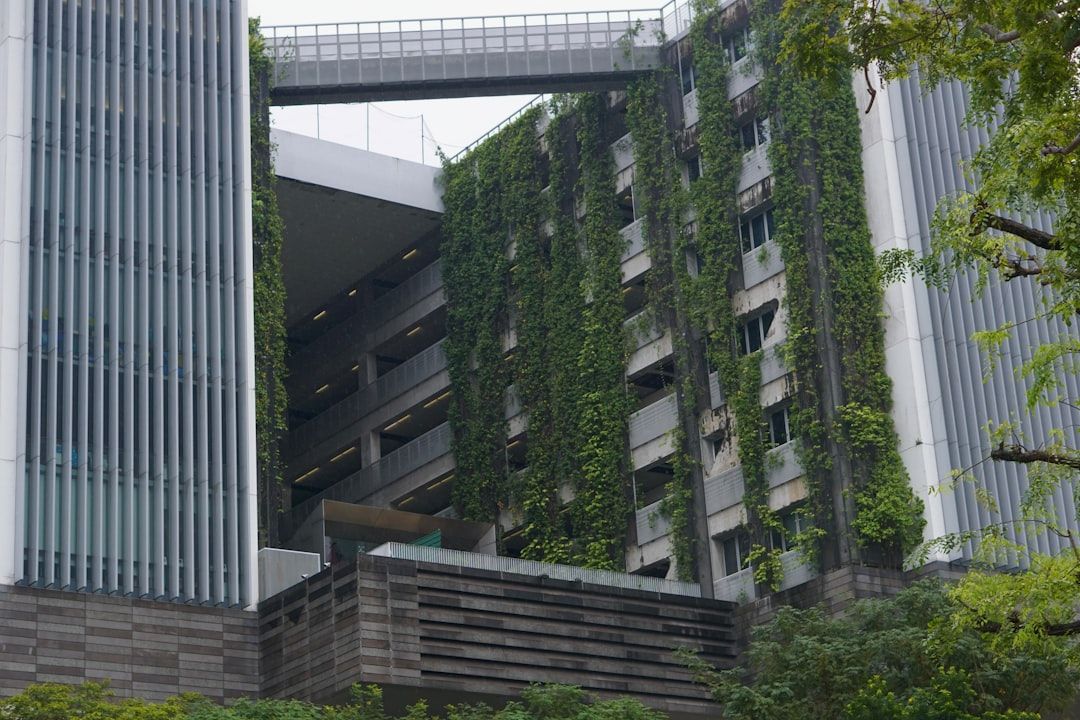

Our cities are crumbling under their own weight. Traffic jams, pollution, and endless construction zones have become the norm. But what if we could hit a big red reset button and rebuild smarter? Enter Axurbain.
TL;DR
Axurbain is a bold idea — a way to redesign and rebuild cities from the ground up. It’s not about fixing potholes or planting more trees. It’s about rethinking the entire urban structure. Cleaner, faster, friendlier cities that actually work for people, not just cars.
What is Axurbain?
Axurbain is not a company or a buzzword — it’s more like a philosophy. A call for a hard reset in how we plan and build cities. Think of it like hitting Control + Alt + Delete on urban chaos.
The concept is simple: Stop patching old mistakes and start fresh. Instead of stacking new tech on rotten infrastructure, Axurbain says: rebuild smart from scratch.
Why Our Cities Need a Reset
Let’s face it, modern cities weren’t designed for modern life. Most were built around horses and steam engines, not smartphones and electric bikes. With time, cities got messier — layers of buildings, roads, wires, rules — all tangled up like old headphone cords.
Here’s the city life most of us know:
- Traffic that makes you question your existence
- Air you can almost chew
- Noisy neighbors, paper-thin walls
- Endless construction updates that never really update
These aren’t just “bad design choices.” These are signs we need a restart. Not just upgrades — total transformation.
The Pillars of Axurbain
The Axurbain vision stands on a few big ideas:
- People First: Pedestrians, not cars, lead the design.
- Green at the Core: Plants, trees, and clean energy become mandatory, not optional.
- Modular Building: Cities should grow like Lego — expandable, flexible, and repairable.
- Massive Data Use: Traffic, weather, and energy data used in real-time to guide city function.
- Local Living: Everything you need within 15 minutes on foot or bike — shops, schools, jobs.
Sound dreamy? It’s already happening — bits and pieces — all over the world.
What a Hard Reset Looks Like
Imagine starting from nothing. No streets, no outdated zoning. Just open land and a thoughtful design plan guided by the Axurbain rules.
First comes the map: Where should homes go? Schools? Restaurants? Hospitals? Instead of squeezing people around roads, you shape roads around people. No more main streets choked with 18-wheelers. Instead, layers: underground cargo tunnels, bike highways, elevated parks — all stacked neatly like an apple pie.
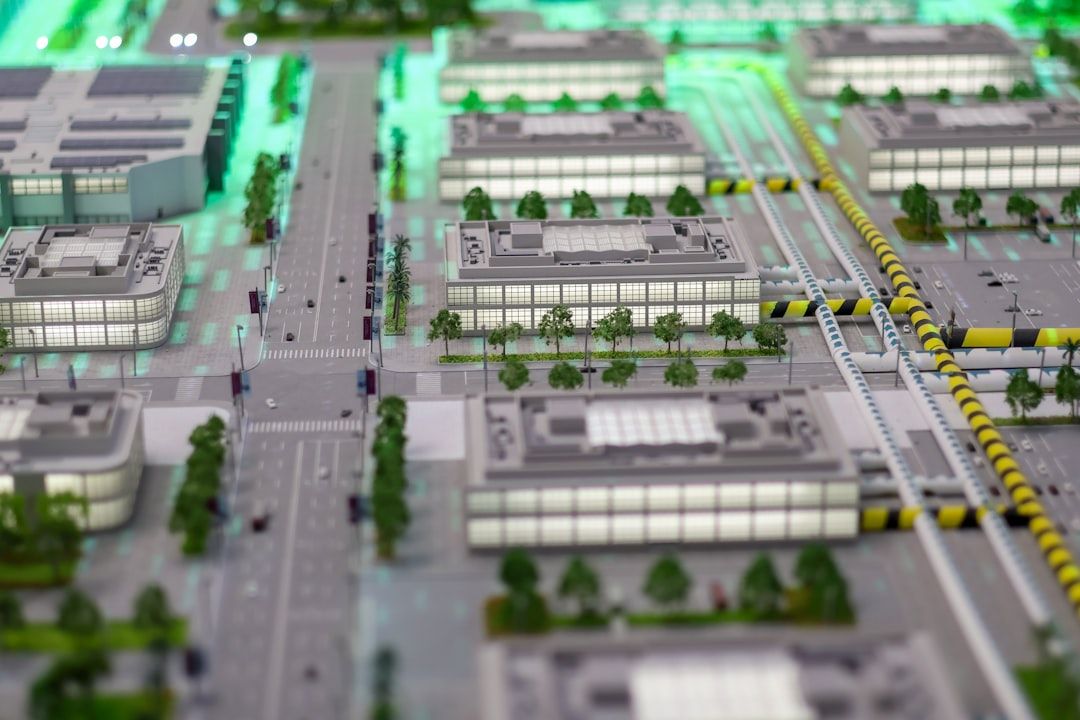
Figuring out these city layers is key:
- Level 1: Essential underground — pipes, delivery bots, trash systems
- Level 2: Vehicles — electric, quiet, efficient
- Level 3: People and bikes only — safe and scenic
- Level 4: Green spaces — trees, public art, picnic zones
Lessons from the Past
After every major disaster — fires, wars, earthquakes — cities have rebuilt better. Paris got its wide boulevards after a total redesign in the 1800s. Tokyo turned to safety-first zoning after devastating quakes. Even Chicago rose again post-fire with smarter streets and structures.
So who says we need a disaster to start over? Axurbain is the proactive play. Act before the collapse. Build the dream before the nightmare.
Better Cities, Better Living
The goal isn’t just a prettier skyline. It’s happier lives. The Axurbain hard reset fixes human issues too:
- Health: Less pollution, more walking
- Time: No endless commutes
- Safety: Fewer accidents, noise, and stress
- Belonging: Neighborhood design that builds real communities
We’re not talking future-fantasy cities on Mars. We’re talking livable Earth cities — real places with smart layouts and clean design.
But Who Pays for All This?
Great question. A hard reset isn’t cheap. But keeping broken cities on life support might be even more expensive. Every pothole, power outage, and smog alert — those add up. Plus, with layered infrastructure and modular buildings, future repairs are faster and cheaper.
Investors are listening. Private firms, governments, even real estate developers see value in cities that run like well-coded apps. Clean, quick, and bug-free.
Tech That Makes It Work
The Axurbain model loves tech — when it helps people, not just dazzles them. Some cool ideas popping up:
- Self-diagnosing roads that signal when they need repairs
- Smart windows that adjust tint based on sun and mood
- Electric public transport on AI-powered routes
- Waste systems turning garbage into energy on-site
City Examples Getting It Right
A few places already walking the talk:
- Songdo, South Korea: Built with automation, green tech, and sensors everywhere
- Masdar City, UAE: Zero-carbon dreams with self-driving transit
- Barcelona: Its “Superblocks” close streets to cars and hand them to people
They’re not perfect, but they’re steps toward Axurbain. Real-world beta tests. Working prototypes of better possibilities.
So What Can You Do?
Most of us aren’t city planners. But we are city survivors. And we can have voices:
- Support projects that favor people over cars
- Vote for walkability, parks, and localism
- Learn how your city runs — then question it
- Dream out loud — even small ideas can spark real change
Conclusion: Hitting Reset Responsibly
Axurbain is not about bulldozing your hometown. It’s about reimagining space, purpose, and people’s needs — then building around those, not over them.
Yes, it’s ambitious. But so were cities in the first place. Skyscrapers started as crazy ideas. So did bridges, metros, and light bulbs. The future favors the bold.
Maybe it’s time cities get that hard reset — and finally run like they’re meant to.
