

Buying a home EV charger can feel confusing. There are cables. Apps. Amps. Volts. And a lot of opinions. This guide breaks it all down. Simple words. Short sentences. A little fun along the way.
TLDR: Choose a Level 2 charger for daily home use. Match the charger power to your car and your electrical panel. Look for strong safety ratings and a good warranty. Smart features are nice, but reliability matters most.
What Is an EVSE, Anyway?
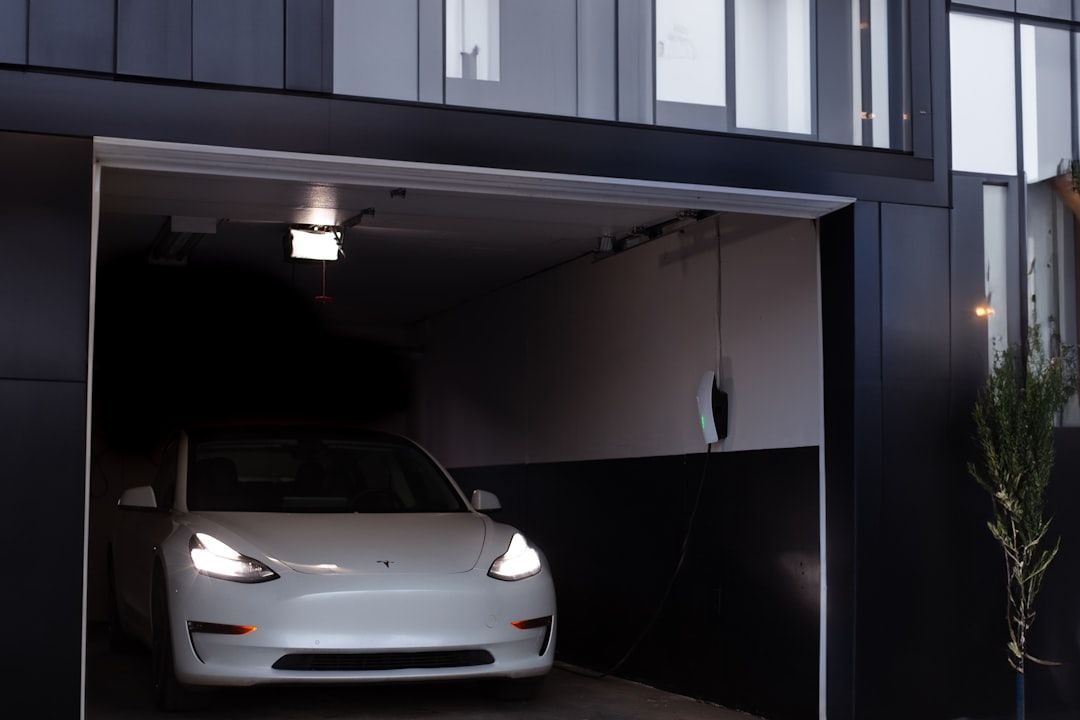
EVSE sounds fancy. It is not. It just means Electric Vehicle Supply Equipment. That is the box on your wall. It safely sends power to your car. The car does the actual charging.
Think of the EVSE as a smart power switch. A very careful one.
Charging Levels Made Simple
There are three charging levels. For home use, you really only need to know two.
- Level 1: Uses a normal wall outlet. Very slow. Adds about 3 to 5 miles per hour.
- Level 2: Uses 240 volts. Much faster. Adds 20 to 40 miles per hour.
- DC Fast Charging: Super fast. Not for homes.
If you drive daily, Level 2 is the clear winner. Level 1 is fine if you barely drive. Or if you like waiting.
Know Your Car First
Your EV has limits. It can only accept so much power. Buying a charger more powerful than your car can use is okay. But it will not make charging faster.
Check your car’s max onboard charger rating. Common numbers are:
- 7.2 kW
- 9.6 kW
- 11.5 kW
Match your EVSE close to this number. No need to go wild.
Understanding Amps Without the Headache
More amps means more speed. But more amps also means more stress on your home wiring.
Common home EV chargers are:
- 32 amp
- 40 amp
- 48 amp
A 40 amp charger is the sweet spot for many homes. A 48 amp unit may need a panel upgrade. Always check first.
Plug-In vs Hardwired Chargers
This choice matters more than people think.
- Plug-in: Uses a NEMA 14-50 outlet. Easy to replace. Easy to move.
- Hardwired: Directly connected. Cleaner look. Often supports higher power.
Plug-in is great for flexibility. Hardwired is great for a permanent setup. Both can be safe if installed correctly.
Safety Should Never Be Optional
This is electricity. A lot of it. Safety comes first.
Look for these certifications:
- UL or ETL listing
- Built-in ground fault protection
- Overcurrent protection
A cheap charger without certification is not a deal. It is a risk.
Weather and Build Quality
Charging outside? Weather matters.
Look for a charger rated for outdoor use. An NEMA 4 rating is a good sign.
Cables should be thick. Flexible. And not feel like a toy. You will handle them a lot. In heat. In cold. In rain.
Image not found in postmetaSmart Features: Fun but Optional
Smart chargers can connect to Wi‑Fi. They can talk to apps. Some even talk to your utility.
Common smart features include:
- Scheduled charging
- Energy tracking
- Remote start and stop
- Utility rebate support
These are nice. Not required. A dumb charger still charges your car just fine.
If the app is buggy, it can get annoying fast. Read reviews.
Single Charger or Dual Charger?
Have two EVs? Plan ahead.
Dual chargers share power between two cars. They cost more. But they can save space.
Another option is one charger now. Another later. Think about future you.
Electrical Panel Check
This step is critical.
Your home has a power limit. Your panel decides what you can install.
An electrician will check:
- Main panel capacity
- Available breaker space
- Distance from panel to charger
Sometimes a panel upgrade is needed. Sometimes not. Never guess.
Image not found in postmetaInstallation Costs Explained
The charger price is only part of the story.
Typical costs include:
- EV charger unit
- Permits
- Labor
- Wiring and conduit
Simple installs can be cheap. Complex ones can add up. Get quotes.
Rebates and Incentives
Good news. Money might come back to you.
Check for:
- Utility rebates
- State incentives
- Federal tax credits
Some programs require smart chargers. Read the rules before you buy.
Cable Length and Daily Comfort
This part is easy to overlook.
Measure your parking spot. Measure again.
A 25‑foot cable works for most garages. Shorter cables look neat. Longer cables are more flexible.
Too short is frustrating. Always.
Brand Reputation Matters
Not all EVSE brands are equal.
Look for companies that:
- Have been around a while
- Offer 3‑year warranties or more
- Provide real customer support
Forums and reviews help. Lots of angry users is a bad sign.
Future Proofing Your Purchase
Think beyond today.
Will you upgrade your EV later? Add solar? Add a second car?
Buying a slightly more powerful charger now can save money later. Just make sure your panel can handle it.
Final Thoughts
A good home EV charger feels boring. And that is perfect.
It should work every day. In the background. Without drama.
Focus on safety. Reliability. And fit for your home.
Do that, and every morning starts with a full battery and a smile.
