
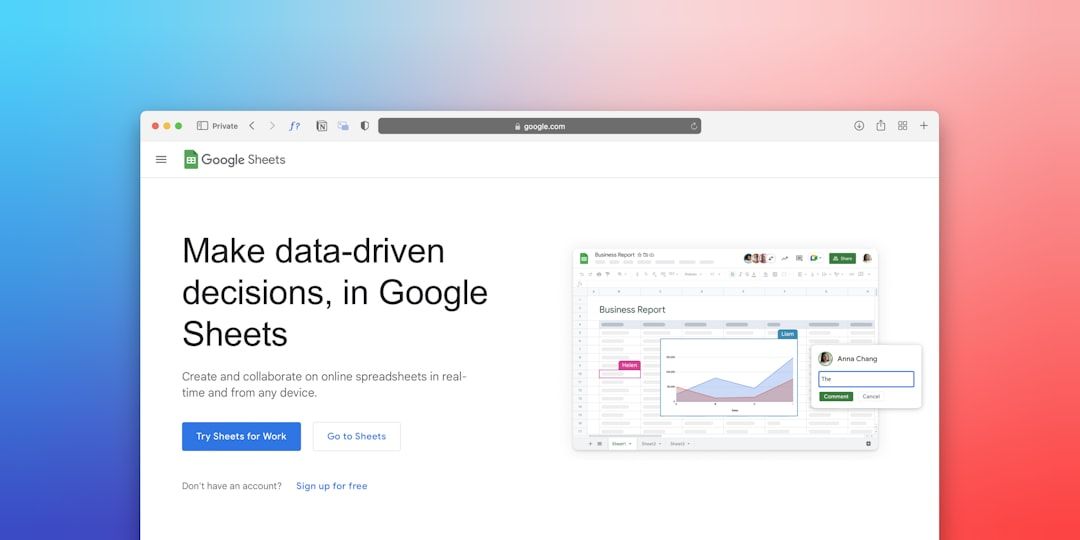

Data visualization plays a crucial role in understanding patterns, trends, and distributions within datasets. Among the most useful visual tools for statistical analysis is the histogram—a chart that groups data into ranges and displays frequency. Google Sheets makes creating histograms straightforward, yet many users overlook important settings that significantly improve accuracy and readability. This step-by-step guide explains exactly how to build a histogram in Google Sheets and optimize it using four essential chart settings.
TLDR: A histogram in Google Sheets helps visualize how data is distributed across value ranges. Users can create one quickly using the built-in Chart Editor by selecting “Histogram chart” as the chart type. Adjusting four key settings—bucket size, outlier percentage, bucket count, and customization options—ensures more accurate and meaningful results. With proper configuration, histograms become powerful tools for data analysis and reporting.
What Is a Histogram and When Should It Be Used?
A histogram is a type of column chart that groups numerical data into intervals called buckets (or bins). Instead of showing individual data points, it displays how many values fall into each range. This makes it ideal for analyzing frequency distribution, spotting trends, and identifying skewness or outliers.
Histograms are commonly used in:
- Academic research and statistical analysis
- Business performance tracking
- Marketing data interpretation
- Quality control processes
- Financial modeling
Unlike bar charts, histograms deal strictly with numerical ranges and continuous data.
Step 1: Prepare the Data in Google Sheets
Before creating a histogram, the dataset must be clean and properly structured. Histograms work best with a single column of numerical values.
To prepare the data:
- Open Google Sheets.
- Enter or paste numerical data into one column.
- Ensure there are no text values or blank rows within the dataset.
- Add a header label (optional but recommended).
For example, the data could represent exam scores, monthly sales figures, website session durations, or customer age ranges.
Step 2: Select the Data and Insert a Chart
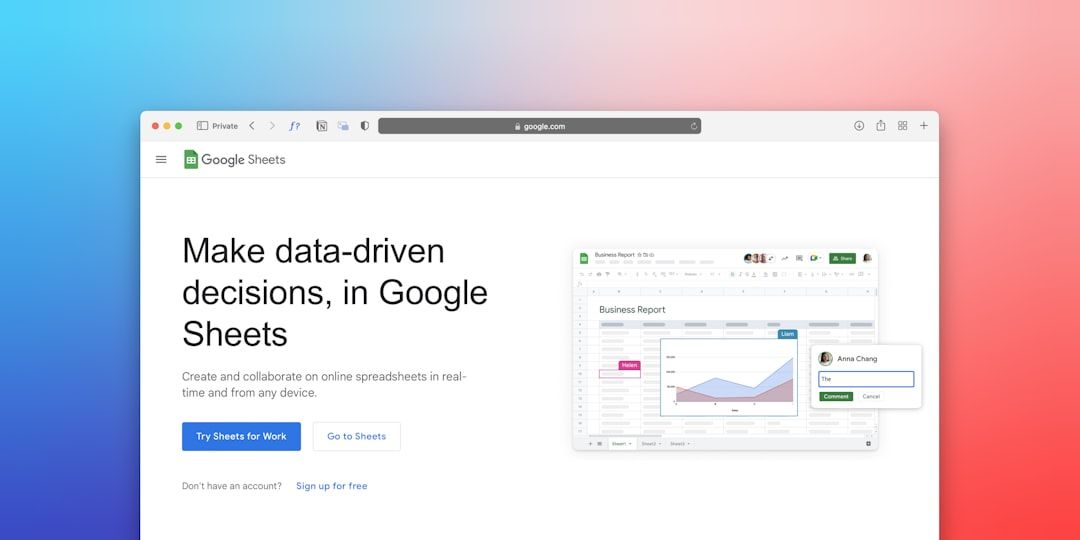
Once the data is ready, creating the histogram only takes a few clicks:
- Highlight the entire column of data (including the header if used).
- Click on Insert in the top menu.
- Select Chart from the dropdown.
Google Sheets will automatically generate a default chart, often a column chart. This must be changed to a histogram.
Step 3: Change Chart Type to Histogram
The Chart Editor panel appears on the right side of the screen once a chart is inserted.
- Under the Setup tab, locate the Chart type dropdown.
- Scroll down to the “Other” category.
- Select Histogram chart.
The chart will immediately update to display frequency distribution using buckets.
Understanding the 4 Key Chart Settings for Accuracy
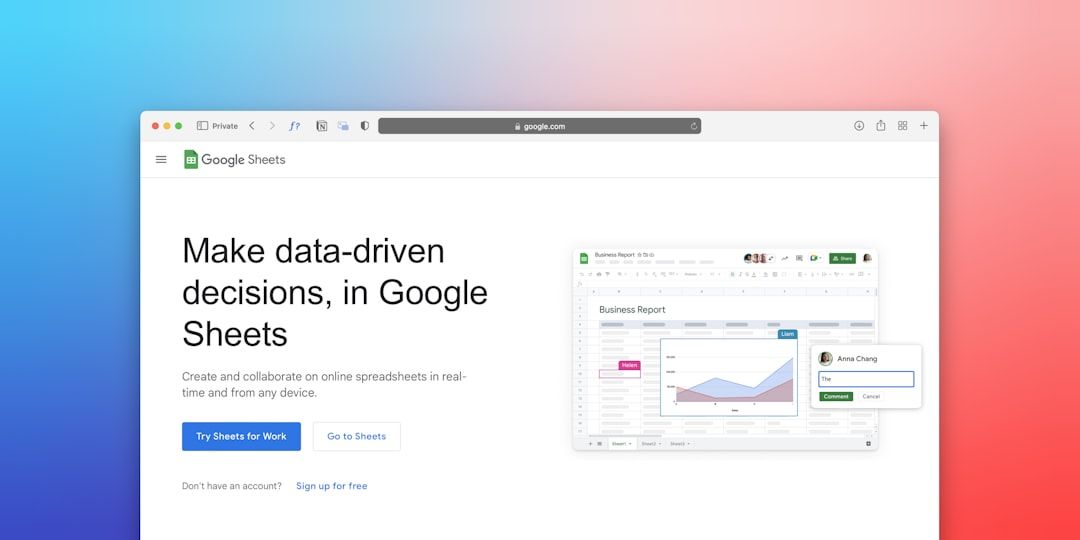
Creating a histogram is easy—but creating an accurate one requires adjusting four vital chart settings. These determine how data is grouped and visualized.
1. Bucket Size
Bucket size controls the width of each range in the histogram. For example, if analyzing exam scores from 0 to 100:
- A bucket size of 10 groups data into intervals like 0–10, 11–20, etc.
- A bucket size of 5 creates more detailed intervals like 0–5, 6–10, etc.
To adjust bucket size:
- Open the Chart Editor.
- Go to the Customize tab.
- Expand the Histogram section.
- Enter the desired bucket size.
Best practice: Choose a bucket size that balances clarity with detail. Too small makes the chart cluttered; too large hides patterns.
2. Bucket Count
Instead of defining width manually, users can specify the number of buckets. Google Sheets will then divide the data range automatically.
This option is useful when:
- The data range varies significantly.
- A specific number of groupings is required for reporting.
- The dataset is large and complex.
Only one of these—bucket size or bucket count—should typically be customized to avoid conflicting settings.
3. Outlier Percentage
The outlier percentile setting determines whether extreme values should be excluded from bucket calculations. Outliers can distort distribution by stretching bucket ranges.
For example:
- If most values fall between 20 and 80, but one value is 500,
- The histogram may be skewed unless outliers are adjusted.
To control this:
- Go to Customize → Histogram.
- Locate the Outlier percentile field.
- Adjust based on how much extreme data should influence the chart.
This is especially useful in financial, scientific, or operational datasets where anomalies occur.
4. Chart Style and Axis Customization
While technical grouping affects accuracy, visual refinement improves readability.
Under the Customize tab, users can adjust:
- Chart title and subtitle
- Horizontal and vertical axis labels
- Text formatting and font size
- Bar color and opacity
- Gridlines
Proper labeling clarifies meaning. For instance:
- Horizontal axis: “Score Range”
- Vertical axis: “Number of Students”

How to Interpret a Histogram in Google Sheets
After building the histogram, interpretation is the next essential step.
A histogram helps identify:
- Distribution shape (normal, skewed left, skewed right)
- Central tendency
- Spread of values
- Clusters
- Potential outliers
For example:
- A symmetrical shape suggests normal distribution.
- A long right tail indicates positive skew.
- Two peaks may suggest a bimodal distribution.
Understanding these patterns supports better decision-making in business, research, and analytics.
Common Mistakes to Avoid
Even though Google Sheets simplifies chart creation, users often make avoidable errors:
- Using categorical data instead of continuous numerical data
- Choosing too many buckets, which overcomplicates analysis
- Choosing too few buckets, hiding meaningful patterns
- Ignoring outliers
- Failing to label axes clearly
Taking time to refine the four key settings ensures the histogram remains both accurate and visually effective.
Advanced Tips for Better Histograms
To further enhance analysis in Google Sheets:
- Combine histograms with summary statistics (AVERAGE, MEDIAN, STDEV).
- Duplicate the chart to test different bucket sizes.
- Add a trendline or overlay analysis using additional tools.
- Use consistent formatting when comparing multiple datasets.
For professional reports, maintaining consistency in color, labeling, and font style improves presentation quality.
Conclusion
Creating a histogram in Google Sheets is a simple yet powerful way to visualize numerical data. By selecting the appropriate chart type and refining bucket size, bucket count, outlier percentage, and visual settings, users can significantly improve accuracy and clarity. Histograms offer more than just visuals—they provide insight into how data behaves and where meaningful patterns exist.
When properly configured, this tool becomes invaluable for analyzing trends, informing decisions, and presenting statistical findings effectively.
FAQ
1. Can Google Sheets automatically create buckets for a histogram?
Yes. If no custom bucket size or count is specified, Google Sheets automatically determines bucket ranges based on the dataset.
2. What is the ideal number of buckets in a histogram?
There is no universal rule. A common guideline is between 5 and 15 buckets, depending on the size and spread of the dataset.
3. Why does my histogram look uneven?
This may occur due to skewed data, outliers, or inappropriate bucket size. Adjusting the histogram settings can improve balance.
4. Can histograms be created from multiple columns?
Google Sheets typically supports one data series per histogram. To compare datasets, users must create separate histograms.
5. What is the difference between a bar chart and a histogram?
A bar chart represents categorical data, while a histogram displays numerical data grouped into continuous intervals.
6. Can histogram settings be changed after creation?
Yes. Users can reopen the Chart Editor at any time and modify bucket size, count, labels, colors, and other settings.
7. Does Google Sheets allow exporting histograms?
Yes. Charts can be downloaded as PNG, PDF, or SVG files for use in reports or presentations.
