

As the remote work trend continues to solidify into a lasting fixture of the modern work culture, businesses must reevaluate their tech stack to stay competitive. With 2026 around the corner, the demand for seamless communication, efficient project management, robust security, and optimized productivity is stronger than ever. Whether you’re part of a large enterprise adapting to hybrid work models or a startup operating fully remote, upgrading your IT tools is crucial to success.
TLDR
Remote work technology in 2026 is all about smarter collaboration, tighter security, and greater automation. Key players include AI-powered project management tools, virtual offices, next-gen communication platforms, and zero-trust security solutions. Cloud integration and cybersecurity continue to dominate investment trends, while remote team analytics and engagement tools rise in importance. Adopting the right platforms can mean the difference between thriving and surviving in the remote work era.
The Evolution of Remote Work Tools
Before jumping into the top tools and platforms, it’s worth recognizing how remote work has evolved. In the early 2020s, video conferencing apps like Zoom and basic cloud directories led the charge. Fast-forward to 2026, and we’re looking at intelligent platforms that combine real-time collaboration with predictive analytics, powered by artificial intelligence and seamless cross-platform integration.
Top IT Tools and Platforms for Remote Work in 2026
1. Microsoft Loop
Microsoft Loop is redefining collaboration by offering dynamic workspaces where teams can co-create content across Microsoft 365 apps. It’s more than a document — it’s a living component with real-time sync across platforms like Teams, Outlook, and OneNote.
- Built-in AI drafting tools for content generation
- Real-time updates across collaborative workspaces
- Perfect for cross-functional, asynchronous teams
2. Notion AI
Notion was already one of the most popular productivity platforms, but its AI integration in 2026 takes it to the next level. Notion AI can now write, summarize, brainstorm, and act based on team goals and inputs.
- Smart knowledge base management
- Task automation with AI agents
- Realtime summarization of lengthy team meetings and documents
3. Zoom X
Zoom has transformed into Zoom X—a rebranded, feature-rich platform combining immersive meeting technology, built-in hologram support, and advanced transcription for global teams.

- 3D meeting capabilities for realistic team presence
- Multi-language transcription and real-time translation
- Smart noise cancellation and motion tracking
4. ClickUp 3.0
ClickUp has established itself as more than just a project management tool. Version 3.0 includes automated sprints, integrated collaboration docs, and smart workflows that adapt based on team dynamics and performance analytics.
- AI-predictive task scheduling
- Integrated productivity heatmaps
- Enterprise-wide visibility on goals and OKRs
5. Slack with Salesforce Genie Integration
With Salesforce Genie fully integrated, Slack can now surface customer insights, sales metrics, and automated workflows directly into chat. This turns Slack into a real-time collaboration + CRM intelligence tool.
- AI-based suggestions based on ongoing conversations
- Custom built apps within Slack channels
- Unified customer data visibility for remote sales or support teams
6. GitHub Copilot X
For developer teams working remotely, GitHub Copilot X offers AI-doctored programming assistance, integrated testing frameworks, and code collaboration features.
- Natural language code generation
- Unified DevOps pipeline management
- Customizable copilot models for enterprise-level use
7. Miro AI
The modern whiteboard just got smarter. Miro AI introduces concept mapping, creative prompting tools, and templates for strategic brainstorming, accessible no matter the device.
- Real-time mind maps enhanced by AI recommendations
- Voice-command integration for hands-free creativity
- Works great for product planning and design teams
8. Presence AI (Virtual Workspaces)
Presence AI provides immersive virtual workspaces enabling teams to co-exist in a realistic, shared online environment. Think of it as having a virtual office space where spontaneous conversations and proximity-based breakout rooms are just a click away.
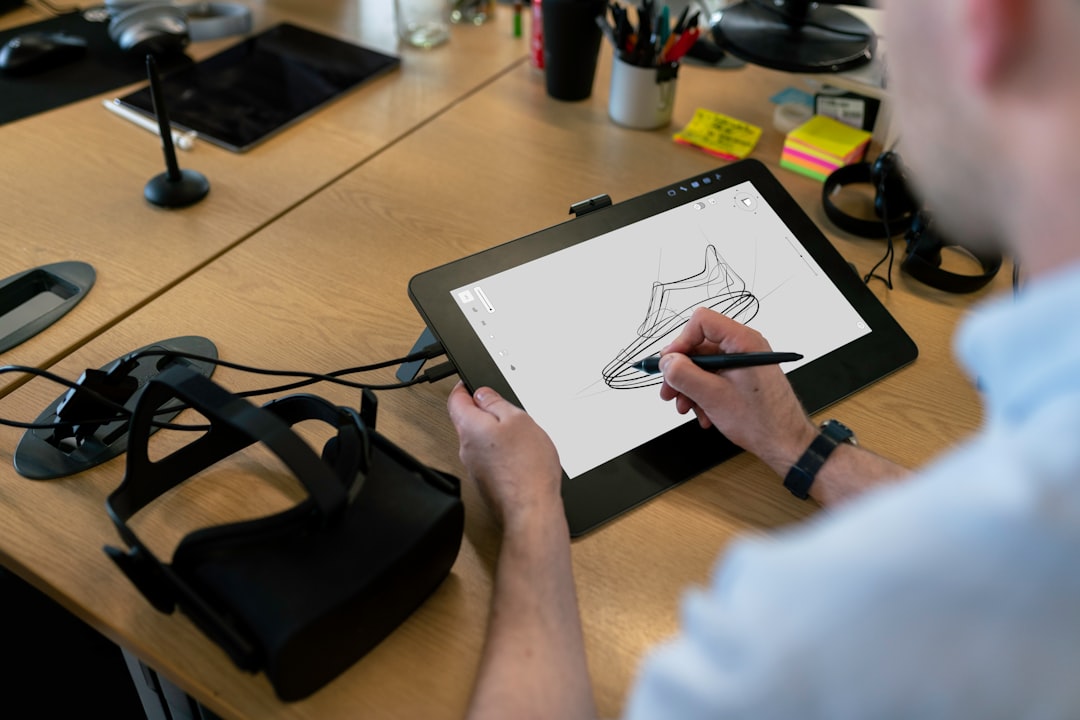
- Avatar-based interactions mimicking physical offices
- Integration with productivity tools like Google Workspace and Trello
- Analytics to track team engagement and well-being
9. Okta Identity Cloud
As security remains paramount, Okta Identity Cloud leads the way by reinforcing Zero Trust architectures suitable for fully-remote and hybrid teams. Real-time adaptive authentication ensures only the right users enter your systems.
- Supports biometric verification and contextual access
- Cross-platform SSO (Single Sign-On)
- Integration with cloud workloads and Kubernetes environments
10. Deel for Global Payroll & Compliance
For remote-first companies hiring internationally, Deel makes global hiring easy by automating regulatory processes, benefits tracking, and currency management.
- Country-specific policy adherence
- Flexible contractor and employer-of-record (EOR) options
- Integrates with accounting systems and productivity platforms
What Makes an Effective Remote Work Tool in 2026?
To stand out, modern remote work tools must combine intelligence, flexibility, and security. Businesses should look for platforms that are:
- AI-enhanced: Tools that provide insights or automate routine tasks
- Highly Integratable: Works well within your existing tech stack
- Device Agnostic: Accessible via browser, mobile, and desktop
- Secure: End-to-end encryption, SSO, and multi-factor authentication
Final Thoughts
The IT landscape surrounding remote work is rapidly evolving, but the ultimate goal remains the same: enabling teams to work smarter, not harder. By outfitting your workforce with the right combination of tools—be it for communication, project management, code collaboration, or compliance—you pave the way for long-term success in 2026 and beyond.
FAQs: Enhancing Remote Work Tech Stack in 2026
-
Q: What is the core focus of remote work tools in 2026?
A: The focus is on AI integration, real-time collaboration, immersive virtual environments, and digital security through zero-trust architectures. -
Q: Are traditional tools like Zoom and Slack still relevant?
A: Yes, but they’ve evolved significantly. Zoom and Slack now include integrations with AI, CRM, and immersive technology for better productivity. -
Q: How important is cybersecurity in remote work setups?
A: It’s critical. With dispersed teams and sensitive data moving across cloud systems, Zero Trust networks and identity verification tools are must-haves. -
Q: What’s the best tool for managing international remote teams?
A: Deel or similar platforms that offer payroll, compliance, and hiring automation across countries are essential for scaling globally. -
Q: Are there tools that help track employee productivity and well-being?
A: Yes. Tools like ClickUp, Presence AI, and Microsoft Viva provide analytics on engagement, workload, and even burnout risk.
